
Serving Simcoe County, Muskoka & York Region
Mortgage help when your situation is complicated
There isn't one mortgage that fits everyone. That's why we don't lean on online calculators or automated approvals. We take the time to look at your whole situation and figure out what actually works for you.
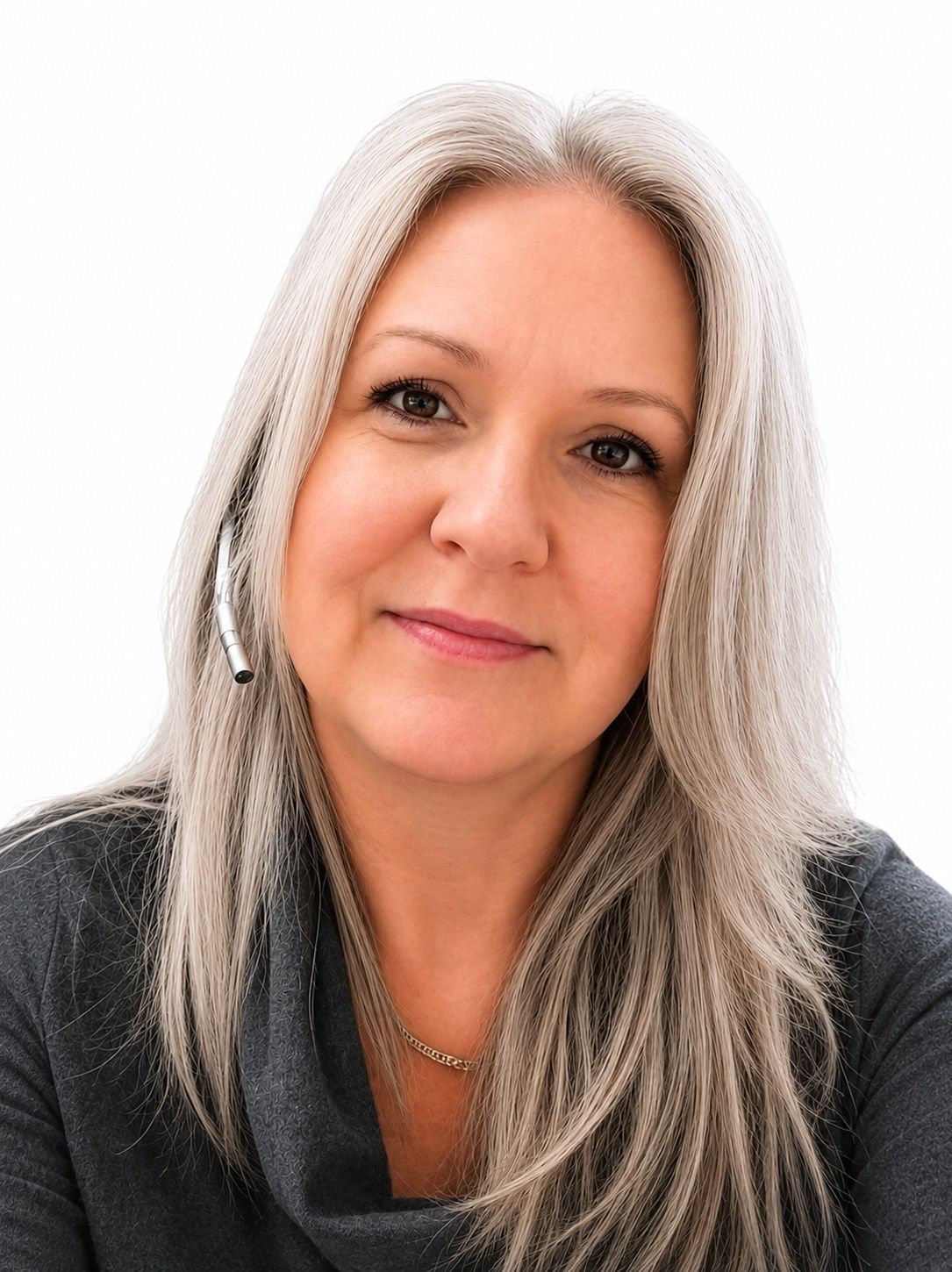
Most people don't come to me for a rate. They come because something about their situation is complicated.
My job is to understand what's going on, explain your options in plain language,
and help you land on a plan that makes sense now and down the road.
Tell us what's going on
Start with your situation, not a rate.
A lot of people who call us have been told no, or think they're out of options. Pick what's going on for you and see how we'd approach it.
Why homeowners choose Anita
Why people work with us.
Experience
25 years of doing this
We've arranged mortgages for over 25 years, everything from first homes to the kind of situations a lot of brokers would rather not touch.
Access
Options you won't find on your own
We work with banks, credit unions, alternative lenders, MICs and private investors, so we can find options many people don't know are there.
Service
We stay with you the whole way
From the first call to the day it funds, we deal with the lenders, lawyers and agents, so you always know what's happening next.
When clients describe working with us, the same words tend to come up:
honest, patient, quick to respond, and good at finding a way when it looked like there wasn't one.
40+ Verified Five Star Google Reviews
Real situations we've helped with.
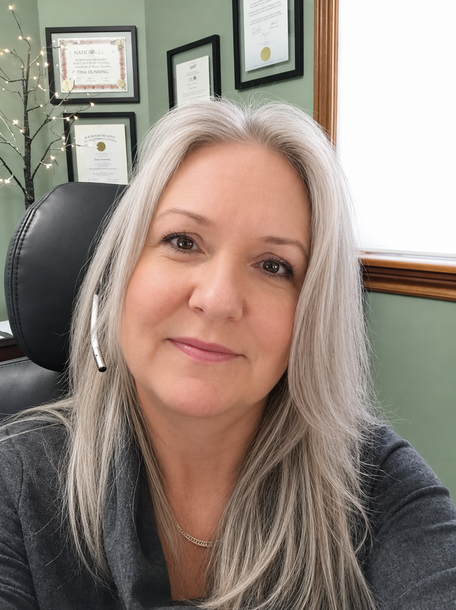
Meet Anita
Financing is what I love doing
Hello, I’m Anita. Thanks for visiting me online. My team and I absolutely love arranging mortgage financing for people like you; it’s our passion. If you're looking to purchase or refinance your existing home or investment property, I specialize in providing customized solutions for my clients. You've come to the right place!
My goal is to help facilitate your financial goals and find the perfect funding solution to lower the overall cost of borrowing. I keep up to date on global economics to sight the trends that might affect the industry, so you don't have to. It’s always exciting to discuss strategies in our evolving economic climate. Times are tough, and with mortgage guidelines continually changing, it can be a challenge to obtain financing, even for someone with excellent credit and net worth!
I have been happily married for over 40 years, and we're proud parents of two children and eight beautiful grandchildren! I enjoy spending time with family, I'm an avid foodie, and enjoy travelling.
Areas served
Home base is Orillia, and I mortgages throughout Simcoe County, Muskoka, and rural Ontario. Most of the work happens by phone, email, and video, so where you are is rarely a barrier.
Everything, in one place
What we can help with.
Each of these has its own page that walks through the details in plain language.
Not sure if we can help?
Just ask.
Tell us what's going on. We'll look at your situation and tell you honestly what your options are. No pressure, no obligation.
Call or text 705·325·7283 · 773 Atherley Road, Orillia, ON


Articles To keep you informed
Resources



Frequently Asked Questions
Do I need perfect credit to get a mortgage?
No. Good credit helps, but it isn't the whole picture. I work with plenty of people who have a bruise or two on their credit, whether it's from a rough patch, a divorce, or a bill that slipped through the cracks. There are lenders who look at the full story, not just the score, and part of my job is knowing which ones.
Can I get a mortgage if I'm self-employed?
Yes, though it usually takes a bit more work. If you write off a lot of your income, the number a bank sees on paper may not reflect what you really earn. I know the lenders who understand self-employed income and how to present your file so it gets a fair look. Business owners and contractors are a big part of who I help.
What does a mortgage broker do, and does it cost me anything?
A broker shops your mortgage across many lenders instead of just one, so you're not stuck with whatever a single bank offers. For most standard residential mortgages, my services don't cost you anything, since the lender pays me when your mortgage closes. If a file is more involved, I'll always tell you upfront exactly how it works before we go any further.
How long does mortgage approval take in Canada?
A pre-approval can typically be completed within 24–72 hours. Full mortgage approval after an accepted offer usually takes 5–10 business days depending on the lender and the complexity of your file. I manage the entire process and keep you updated at every stage — you'll never be left wondering where things stand or chasing me for an update.
The bank said no. Can you still help?
Often, yes. A bank turning you down usually means you didn't fit their one specific box, not that no one will lend to you. I have access to a wide range of lenders with different rules, and finding a home for the files other people pass on is a lot of what I do. It's worth a conversation before you assume it can't happen.
Should I go with my bank or use a broker?
Your bank can only offer you its own products. I compare options from many lenders at once, which means a better shot at the right fit and a lower overall cost of borrowing. There's no harm in letting me run the numbers alongside whatever your bank quoted, so you can see the difference for yourself.
How much of a down payment do I actually need?
For a home you'll live in, it can start as low as five percent of the purchase price, though the exact amount depends on the price and your situation. Investment properties usually need more. Rather than guess, I can walk you through what your specific purchase would look like so there are no surprises.
Can I refinance to pull equity out of my home?
Yes, and it's one of the more common reasons people come to me. Refinancing can free up equity to consolidate debt, renovate, help family, or invest, often at a far better rate than credit cards or a line of credit. Whether it makes sense depends on your numbers, and I'm happy to run them with you.
Do you only work with people in Orillia?
Orillia is home base, but I help clients across Simcoe County and throughout Ontario. Most of what we do can happen by phone, email, and video, so where you're located is rarely a barrier. If you're nearby and would rather meet in person, that's easy to arrange too.