Turned down by the bank? Here is what you can still do.

Anita Groves • May 11, 2026

Getting a no from your bank stings. It is easy to walk away thinking you cannot get a mortgage at all. In my experience that is almost never true. A bank saying no usually means one thing: you did not fit that one bank's checklist. It does not mean the door is closed everywhere.


Why banks say no

Banks lend inside a narrow set of rules. If anything sits outside those rules, the answer is no, and there is not much the person in front of you can do about it. The most common reasons I see are self employed income that looks small on paper, a credit score that took a hit, debt that pushes your ratios too high, a property the bank considers unusual, or a file that needed to close faster than they could move. None of these are character flaws. They are just mismatches.


The other lenders most people never hear about

Here is the part that surprises people. Banks are only one layer of the lending world. Below them sit alternative lenders, who are more flexible on income and credit, and private lenders, who look mostly at the equity in your property rather than ticking boxes. A file a bank cannot touch is often routine for one of these lenders. The rates can be a bit higher, but for many people it is the difference between getting the home and losing it.


It is often a bridge, not forever

When we do use an alternative or private lender, the plan usually is not to stay there. It is to solve the problem in front of you, get you settled, and then move back to a regular lender once your credit or income has recovered. I set these up with that exit in mind from day one, so you are never stuck.


What to do next

If your bank has said no, do not assume that is the final answer. Bring me the file. I will tell you honestly whether there is a way forward, what it would look like, and what it would cost, so you can decide with the full picture.


If a bank has turned you down, let's talk about what is still possible. Private Lending & Estate Solutions

Share
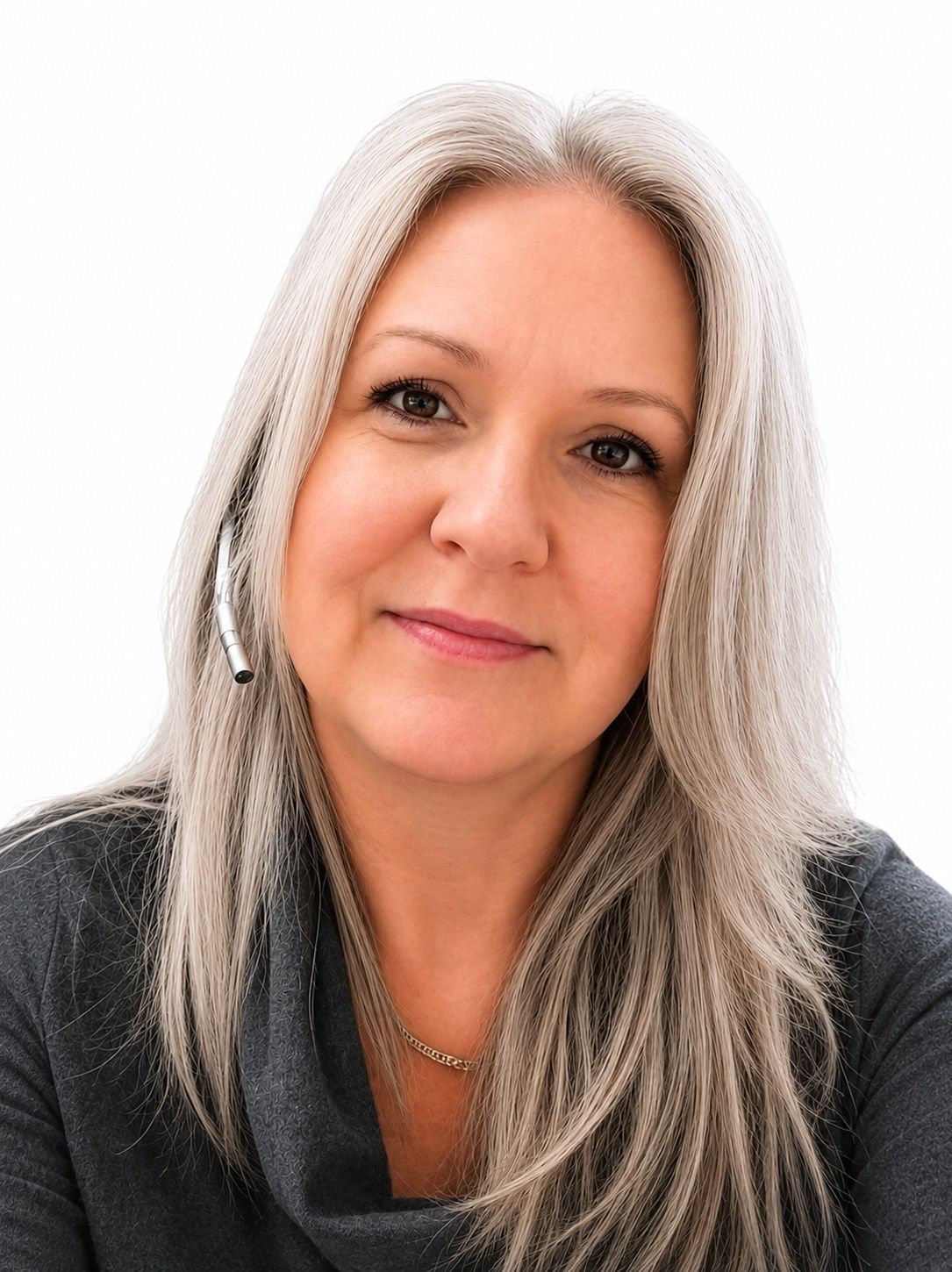
Anita Groves

PROFESSIONAL MORTGAGE BROKER
CONTACT US APPLY NOW

Download My Mortgage App HERE

Recent Posts


By Anita Groves August 26, 2026
When you’re buying a home, two terms often cause confusion: deposit and down payment . While they’re related, they serve very different purposes in the homebuying process. Here’s what you need to know. What Is a Deposit? A deposit is the money you provide when you make an offer on a property. Think of it as a show of good faith that proves you’re serious about purchasing. How it works : Typically, you provide a certified cheque or bank draft that your real estate brokerage holds in trust. If your offer is accepted, the deposit remains in trust until the deal moves forward. If negotiations fall through, the deposit is refunded. Connection to your down payment : Once the sale is finalized, your deposit becomes part of your total down payment. Why it matters : The amount is negotiable, but a larger deposit can make your offer more attractive in a competitive market. Keep in mind, however, that if you back out after conditions are removed, you risk losing your deposit. What Is a Down Payment? Your down payment is the amount you contribute toward the purchase price of your home when securing a mortgage. Minimum requirement : In Canada, the minimum down payment is 5% of the home’s purchase price. Anything less than 20% requires mortgage default insurance. Sources : Down payments can come from your savings, the sale of another property, RRSP withdrawals (through the Home Buyers’ Plan), a gift from family, or even borrowed funds. Example: How They Work Together Imagine you’re buying a $400,000 home with a 10% down payment ($40,000). When you make your offer, you provide a $10,000 deposit . Once conditions are met, that deposit is transferred to your lawyer’s trust account. At closing, you add the remaining $30,000 to complete your full down payment. The lender provides the rest—$360,000—through your mortgage. The Bottom Line Your deposit shows commitment and secures your offer, while your down payment is what makes the mortgage possible. Together, they work hand in hand to get you into your new home. 📞 If you’d like clarity on deposits, down payments, or any other part of the mortgage process, let’s connect. I’d be happy to walk you through it step by step.
By Anita Groves August 19, 2026
Saving for a down payment is one of the biggest challenges first-time buyers face. What many don’t realize is that the Canadian government offers a program designed to make it easier—the Home Buyers’ Plan (HBP) . This program allows you to withdraw money from your RRSP to help purchase your first home, without immediate tax consequences. Here’s how it works: Who Qualifies? To be eligible, you generally need to be a first-time home buyer. In practical terms, this means you must not have owned a home in the past four years, nor lived in a property owned by your spouse or partner during that time. There are also special allowances if you’re living with a disability or helping a relative with a disability. In these cases, you can use the HBP even if you’ve owned a home more recently. How Much Can You Withdraw? Under the program, you can access up to $35,000 from your RRSP as an individual. Couples can combine their withdrawals for a total of $70,000 . These funds must have been in your RRSP for at least 90 days before you take them out. Paying It Back The HBP isn’t “free money”—it’s an interest-free loan from your own retirement savings. You’ll have 15 years to repay the full amount back into your RRSP, starting in the second year after withdrawal. Each year, the CRA will send you an HBP Statement of Account outlining how much needs to be repaid. If you don’t make your repayment in a given year, that amount will be added to your taxable income. Why It’s a Smart Strategy The HBP can give first-time buyers a powerful boost toward homeownership. It helps you put together a larger down payment, which can reduce your mortgage amount and monthly payments. Just remember: it’s important to balance the short-term benefit of homeownership with the long-term impact on your retirement savings. Next Steps Thinking about using the Home Buyers’ Plan? Let’s sit down and review whether it’s the right move for you. Together, we can create a strategy that gets you into your first home while keeping your future financial goals on track. 📞 Reach out anytime—it would be a pleasure to guide you through the process.